Setting as a Character: Creating Atmosphere in Murder Mysteries
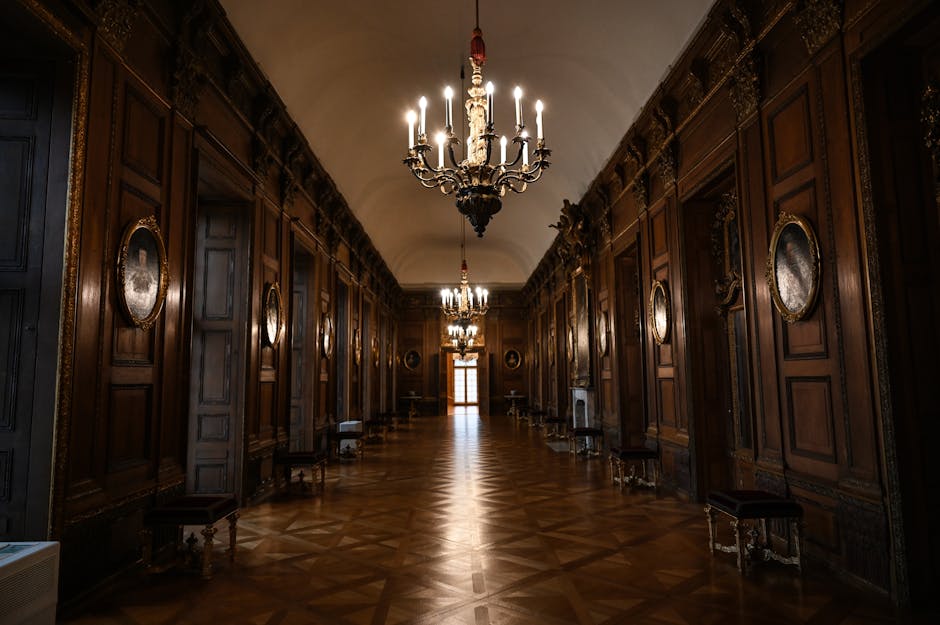
The best murder mysteries use setting as more than mere backdrop. The location becomes almost a character itself, shaping the investigation, limiting suspects, and creating atmosphere that enhances the story.
Choose settings that restrict movement and information. A murder on a country estate, in a locked room, or during a snowstorm naturally limits suspects and investigation methods. These restrictions create tension and focus. Compare this to a murder in a busy city where anyone could be a suspect and information is freely available. The restricted setting is inherently more mysterious.
Use the location to create atmosphere. A Victorian mansion feels different from a modern office block, which feels different from a small village. The setting generates mood and expectation. Readers approaching a Gothic mansion expect certain types of secrets. A sleepy village suggests different tensions. This atmospheric foundation helps your mystery feel authentic.
Let the setting reveal character. How a character interacts with their environment tells you about them. Someone's home reveals their values, secrets, and habits. A suspect's workspace shows their organisational style and priorities. The victim's personal space might contain evidence or secrets. Setting becomes a tool for character revelation.
Create logical geography. Readers should be able to visualise the space. Who could have moved from one location to another in the time available? Which rooms have windows? Where are the exits? A clear mental map of your setting helps readers follow the investigation and contributes to fair-play mystery conventions.
Use setting to create obstacles. Weather, isolation, or physical limitations can complicate investigation. A flooded road prevents escape. A fire blocks access to crucial evidence. A locked door raises questions. These environmental obstacles create plot complications naturally.
Vary your descriptions. Don't frontload setting description. Instead, reveal location details as characters interact with them. When a detective notices a window is locked, readers learn about the room's security. When a character shivers, readers understand the temperature. This makes setting description feel natural rather than expository.
Consider period-appropriate limitations. A 1920s mystery has different investigative tools than a contemporary one. No mobile phones, no CCTV, no DNA testing. These limitations should shape your plot and create authentic period atmosphere. Similarly, a contemporary mystery benefits from modern technology—use it or explain why it's unavailable.
Make setting claustrophobic or expansive intentionally. A closed setting (a hotel, an estate, a ship) creates pressure and intensity. An open setting (a city, a region) creates different challenges. Choose based on the atmosphere you want to create.
The most atmospheric mysteries are those where you couldn't transplant the story to a different setting without fundamentally changing it. The location matters. The location is part of the mystery.